<!DOCTYPE html>
How to Protect Your Coastal Home from Ocean Beach Salt Spray
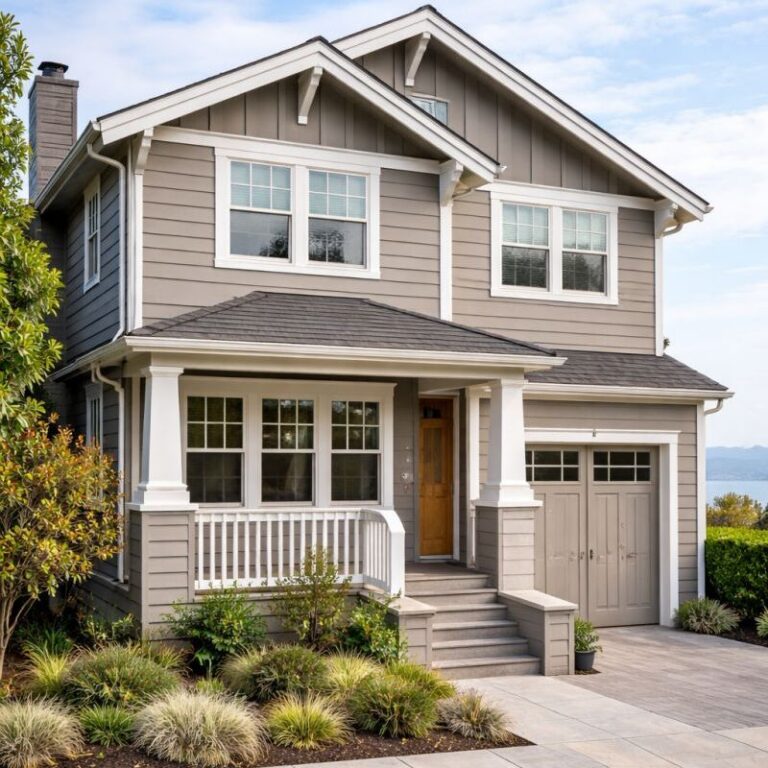
How to Protect Your Coastal Home from Ocean Beach Salt Spray
San Francisco’s Ocean Beach, the Sunset, and the Richmond sit face to face with salt air and wind. The spray is fine, constant, and corrosive. Homes near the shore need a different exterior plan. This plan blends the right materials, careful waterproofing, and steady upkeep. The result is a quiet exterior that resists rot and rust, sheds water, and keeps energy costs in check.
Why salt spray punishes coastal homes in San Francisco
Salt crystals ride the wind and settle on siding, window frames, and fasteners. Fog holds salt at the surface, so moisture lingers. Afternoon winds pull more mist across the facade. Chloride ions attack metal, thin paint films, and joint sealants. Over time, small cracks grow. Water slips into sheathing, trim, and framing. In older homes, dry rot takes hold fast.
Ocean Beach and the Outer Sunset see frequent gusts and heavy fog cycles. The Outer Richmond and Seacliff add high UV exposure on clear days. This swing strains coatings and caulks. Buildings that lack a vented rainscreen or proper flashing pay the price. Early signs look mild. Peeling paint. Efflorescence on stucco. Tiny rust rings around nail heads. Sticky windows. Higher heating bills due to wet insulation and air leaks. Left alone, the envelope breaks down.
Know the failure patterns before they start
In San Francisco’s coastal zip codes like 94121 and 94122, patterns repeat. On fiber cement, poorly sealed cut edges wick water. On cedar shingles, end grain drinks moisture and stays wet. On stucco, missing weep screeds trap water in the wall. On vinyl siding, thin panels flex and pull at fasteners during wind gusts. On aluminum and steel, low-grade coatings pit. Fasteners corrode and stain the finish. Windows lose their perimeter seal, and sash hardware binds with rust.
Moisture infiltration leads to dry rot behind trim and at sill plates. Termite activity often follows soft, damp wood. Paint fails from the inside out. Many homes in Pacific Heights, Noe Valley, and Haight-Ashbury still carry historic wood details. These details look great, but they need careful prep and routine care to handle salt air and wind-driven rain.
Engineering an envelope that lives with salt and fog
Protection starts with the rainscreen concept. The siding is the first shed layer. A continuous weather resistive barrier (WRB) sits behind it. Between the two, a vented cavity lets the wall drain and dry. This cavity is key on the Northern California coast. Air moves. Liquid drains. Salt deposits rinse off faster. Humidity does not sit against the sheathing.
On the frame, flashing and sealant details need equal focus. Windows get sloped sill pans that drain to daylight. Head flashings project and kick water away. Jambs seal to the WRB with flexible flashing membranes. Kickout flashing at roof-to-wall ends directs water into gutters instead of behind siding. Every cut edge of siding gets sealed. Fasteners are stainless steel, grade 304 in mild zones, and 316 for Ocean Beach and the outer avenues. Caulks match the substrate and move with it. Polyether or silyl-terminated polyether formulas stand up to salt and UV better than basic latex or silicone mixes.
Vent clearances matter. Keep a minimum gap at the base trim for drainage. Use ventilated starter strips for fiber cement or engineered wood. Use weep screeds at stucco base lines. At decks, protect ledger boards with membrane and metal flashing. At parapets, cap metal with hemmed edges and seal underlaps. At penetrations, use flanged boots and counterflash the WRB. Simple steps, strong results.
Choosing materials that handle Ocean Beach salt spray
Material selection should match the site. The rule is simple. Pick stable substrates. Use corrosion-resistant coatings. Back-prime and seal all end cuts. On San Francisco’s west side, Hardie HZ10 fiber cement performs well. LP SmartSide handles impact and installs cleanly. Cedar shingles fit historic profiles, but they demand disciplined maintenance. Stucco resists ignition and looks right on many blocks, but it needs a full drainage plane. For metal, use marine-grade coatings and stainless or coated fasteners.
Quick comparison of coastal-ready siding options
- Fiber Cement (James Hardie HZ10): Best mix of salt resistance, impact strength, and fire rating. Needs sealed cuts, stainless fasteners, and a vented rainscreen.
- Engineered Wood (LP SmartSide): Warm wood look with treated strands. Good in damp air. Demands end-seal and proper clearances. Use 316 stainless at the coast.
- Cedar Shingles: Classic Bay Area texture. Breathes well. Requires oil-based or high-solids stain and regular recoat cycles. Flash every transition with care.
- Stucco (with drainage): Durable, but only with a two-layer WRB and weep screed. Use high-grade finish coats rated for coastal exposure.
Vinyl siding with insulation panels can help reduce drafts and some noise. In high-wind areas like the Sunset, it needs strict nailing patterns and upgraded panels. Aluminum and steel work on modern designs, but watch the coating spec and the fastener mix. Pair metals wisely to avoid galvanic corrosion. Keep contact points isolated.
The James Hardie HZ10 advantage in San Francisco
James Hardie HZ10 products were built for zones with salt air and strong sun. They hold paint longer than bare wood in the same spot. They shrug off insects and do not rot. On Ocean Beach blocks in 94121 or 94122, the HZ10 board stays stable through wet and dry cycles. Many siding contractors San Francisco homeowners hire prefer HZ10 for this reason. Hardie’s system also covers flashings, trims, and accessory pieces that create a uniform envelope. An Elite Preferred installer brings jobsite controls that protect the warranty. That means verified fastener types, paint systems that match spec, and strict joint layout.
On Victorian or Edwardian facades, Hardie smooth lap with custom trim mimics old growth profiles. On mid-century homes in the Sunset, wide lap and simple corner boards fit the style. On Pacific Heights, panel and batten profiles pair with detailed window trim for a clean, stately look. The material does not mind the fog bank or a salt-laced breeze.
Engineered wood and cedar in salt air
LP SmartSide gives a wood look with fewer defects and strong impact resistance. It machines well for custom trim work. In coastal air, it must sit on a rainscreen and get thorough edge sealing. Where decks meet walls, increase clearances and add kickout flashings. Keep sprinklers off the wall. When detailed right, LP SmartSide looks warm and stays tight.
Cedar shingles remain a San Francisco hallmark in the Marina District and Haight-Ashbury. They blend with historic lines and add deep texture. Use grade A, kiln-dried shingles. Back-prime and dip end cuts. Vent the wall with furring strips or a drainage mat. Stain with penetrating oil or a high-solids product that fights UV and salt crystals. Plan recoat cycles in three to five years, based on exposure. Cedar will reward steady care with long life.
Stucco that drains, dries, and resists cracking
Traditional stucco without drainage struggles near Ocean Beach. Water enters at window perimeters and lingers. The fix is a two-layer WRB, lath, and weep screed. Add head flashings and back dams at every opening. Choose finish coats that resist salt staining and hairline cracks. In mixed exposures like Potrero Hill or the Mission District, a drainable stucco system keeps interiors dry and paint crisp. When stucco cracks reappear, the problem is usually movement at joints or trapped moisture. Do not skim over it. Rebuild the detail. Add a control joint or correct the WRB path.
Windows that hold up in the Outer Sunset and Richmond
Coastal windows need frames and hardware that shrug off salt. Fiberglass frames with powder-coated finishes work well. Premium vinyl with titanium dioxide and welded corners also performs in fog and sun, and it resists corrosion. Thermally broken aluminum with anodized or high-grade powder coat can be strong in high-wind zones. For hardware, pick stainless or coated multi-point locks. For glass, use high-grade sealants and warm-edge spacers to slow IGU seal failure. Milgard offers coastal packages that target these needs and back them with strong support channels in the San Francisco Bay Area.
Flashing makes or breaks the install. Sill pans must drain. Head flashings need proper slope and end dams. Jamb legs tie into the WRB with flexible tape that stays sticky in cool foggy air. Set the window square and avoid over-shimming. That keeps the sash from binding during wind pressure cycles along the Northern California coast. In bays that face direct wind, consider laminated glass. It improves sound control and adds safety.
Waterproofing, dry rot removal, and facade restoration
Exterior waterproofing is not one task. It is a system. Remove failed caulk and re-seal with marine-grade products. Add kickout flashings where roofs meet walls. Check parapet caps and through-wall flashings. Verify that deck ledgers are flashed and protected from trapped water. These steps protect the structure and extend siding life.
Dry rot removal needs a hard line. Probe suspect trim and sheathing. Remove all decayed wood, not half. Treat adjacent areas with borate where appropriate. Use proper structural repairs at rim joists and sill plates. Replace with rot-resistant materials where it makes sense. Prime and seal all faces and cut edges before reinstalling the cladding. Facade restoration should respect original profiles. In Haight-Ashbury and Noe Valley, custom-milled trims match existing details and keep historic preservation boards satisfied. This keeps the home’s identity intact while fixing the core moisture issues.
Permits, compliance, and historic review in San Francisco
San Francisco’s Department of Building Inspection runs permits through its online portal. Many in-kind siding replacements qualify for a streamlined path, but the scope must match the rule. Projects in historic districts or with major facade changes may need review by the Historic Preservation Commission. Plan for photo documentation and profile matches. A contractor fluent in 2026 DBI permit compliance can speed this up and reduce site downtime. Older homes often require EPA Lead-Safe practices. That means proper containment, HEPA vacuums, and record keeping. Ask for credentials. NARI members and Diamond Certified contractors tend to keep strong process control. That matters in tight lots and with close neighbors.
Energy savings and comfort under Title 24
Salt air does not cause high energy bills by itself. Air leaks, wet insulation, and poor radiant control do. A new window package with low-e coatings and tight frames will reduce drafts on windy afternoons. Insulated siding panels can add R-value to thin walls that run cold in the Richmond District. Proper WRB and taped seams cut infiltration. Title 24 sets the target. Meeting or beating it helps comfort and can lower gas and electric costs. On foggy blocks near the shore, a wall that dries fast also stays warmer. That is the quiet gain behind a rainscreen and a careful flashing layout.
What service mix works best near Ocean Beach
Most coastal projects blend siding installation, siding repair, exterior waterproofing, and dry rot removal. Facade restoration adds the finish work. Custom trim work brings back the lines that define the house. The right materials vary by block and exposure. On open west faces near 48th Avenue, Hardie HZ10 with 316 stainless nails and a vented cavity is a strong base. On sheltered south walls, LP SmartSide or cedar shingles can add warmth. Stucco stays a solid choice if the wall can drain. For window replacement, choose a coastal-rated line, such as Milgard with stainless hardware and strong finish options.
Every choice should step through basic math. What is the wind load. What is the UV exposure. Where are the joints and penetrations. What is the historic requirement for profiles on the street facade. Answer these and the system writes itself. There is no one-size plan that fits Potrero Hill, the Marina District, and the Sunset the same way.
Field examples from San Francisco blocks
Outer Richmond, 94121. A two-story wood frame with failing stucco and leaking windows on the west wall. The team stripped to studs, removed dry rot at the rim and sills, and rebuilt with a two-layer WRB and vented rainscreen. New Hardie HZ10 lap, 316 stainless fasteners, and head flashings at every opening. Milgard fiberglass windows with stainless hardware. Result: dry walls, stable paint lines, and lower wind noise.
Haight-Ashbury, 94117. A Victorian with cedar shingles and ornate trims. Termite damage and moisture had softened the lower courses. The crew removed all softwood, treated adjacent framing, and re-shingled with Grade A cedar. End-dipped in stain, back-primed, and hung over a drainage mat. Trim profiles were rebuilt to match originals using custom-milled stock. The project sailed through historic review with photo records and matched profiles.
Marina District, 94123. A three-unit building with hairline stucco cracks and paint bubbling at the base. The fix involved a drainable stucco system with weep screeds and new control joints. Kickout flashing solved a roof-to-wall leak that had stained the interior. The site constraints were tight, so staging was set to keep the sidewalk clear, and work hours followed neighborhood rules. Tenants stayed in place throughout.
How to maintain a coastal exterior
Salt air does not take days off. Simple maintenance prevents big repairs. The most effective plan is short and steady. Schedule checks right after winter storms and during late summer. Target the parts that fail first. This keeps water out and energy costs stable.
Quarterly and annual maintenance essentials
- Rinse siding, trims, and windows with fresh water to remove salt. Avoid high pressure on laps and joints.
- Inspect sealant joints and flashings. Re-seal any cracks or gaps before the rainy season.
- Touch up paint and stain on cut edges and high-sun faces. Keep coatings intact.
- Clear gutters, scuppers, and weep paths. Water should drain free on every wall.
- Probe suspect wood near sills and deck ledgers. Address soft spots and dry rot early.
What to ask a contractor near the coast
Ask about rainscreen details, WRB choices, and fastener grades. Ask if 316 stainless is standard near Ocean Beach. Confirm how sill pans are built and how head flashings shed water. Discuss paint or stain systems and recoat cycles. Confirm experience with San Francisco DBI permits and online submittals. If the home is pre-1978, confirm EPA Lead-Safe certification. If the facade is historic, ask for profile matches and a photo log for review boards.
Brand partnerships can reduce risk. James Hardie Elite Preferred contractors follow strict install rules that protect the warranty. LP SmartSide teams bring best practices for end-seal and joint layout. Milgard dealers help size windows for wind and sound in the San Francisco Bay Area. Owens Corning products can support wall and attic insulation needs. These links raise the floor on quality and service.
Where local context matters most
Pacific Heights has different wind and sun than the Outer Sunset. The Marina sees fewer fog days than the Richmond District. Noe Valley warms up and dries out faster than Ocean Beach. Potrero Hill faces high afternoon gusts. Haight-Ashbury splits the difference with tree cover and mix of sun and fog. Jobs in 94102, 94107, 94110, 94112, 94114, 94117, 94121, 94122, 94123, and 94124 all face different microclimates. Historic parcels add another layer with style rules and profile limits. Work with a team that reads the block, not just the zip.
Signals that the home needs help now
Watch for peeling paint near the coast side of the home. Check for cracking stucco and rust rings at fasteners. Probe trim that looks swollen or stained. Look for fog between window panes. Feel for drafts around sashes when the afternoon wind picks up. Note higher gas bills through damp winters, which can flag wet walls or poor insulation. Each of these points to moisture infiltration. Each is fixable with the right mix of siding repair, window replacement, and waterproofing.
How Best Exteriors approaches coastal work
Best Exteriors is focused on durable envelopes that suit San Francisco’s coastal blocks. The team provides siding installation, siding repair, exterior waterproofing, dry rot removal, facade restoration, and custom trim work. The crews work with fiber cement siding from James Hardie, cedar shingles, stucco, insulated vinyl siding, engineered wood such as LP SmartSide, and select aluminum and steel siding. Installers use stainless fasteners, sealed cut edges, and head flashings with end dams. They run rainscreen cavities to help walls dry. They replace failing windows with coastal-rated units from brands like Milgard. They also coordinate attic and wall insulation upgrades with Owens Corning products where it helps the overall system.
The firm supports historic preservation needs in Haight-Ashbury and Noe Valley. It mills custom trims to blend with existing profiles. It manages the San Francisco DBI permit process, including online portal applications for in-kind siding replacements. Many clients value a simple path from quote to final clean up. Best Exteriors keeps a clean site on tight lot lines and works within city rules. The company holds recognized credentials, such as Diamond Certified, BBB A+ rating, EPA Lead-Safe Certified, GuildQuality rated, and NARI member status. That means clear communication and documented process. Financing is available for larger envelope projects. The workmanship is warranty-backed, with performance guaranteed.
Why this matters for map-pack level decisions
Local buyers want proof that a team understands San Francisco blocks. That proof shows up in material choices, neighborhood experience, permit fluency, and clean workmanship. A contractor who can speak to Ocean Beach wind patterns, HZ10 installation details, and 2026 DBI permit compliance will deliver fewer surprises. That reduces delays and protects the investment. Homeowners search for siding contractors San Francisco and expect fast, specific answers. They also expect line-item quotes, schedules that hold, and a simple service path for windows and siding.
Service reach across San Francisco
Best Exteriors serves the 7 by 7 with prompt site visits and clear scopes. Pacific Heights needs fine trim detail. The Mission District favors mixed materials with bright paint. The Sunset and the Richmond demand hard-wearing exteriors that deal with salt and fog. Noe Valley homes lean on historic preservation. The Marina District needs careful site control and attention to wind-driven rain. Potrero Hill mixes sun and gusts that press on window and door seals. Haight-Ashbury calls for precise dry rot restoration under layered trims. The company works across San Francisco zip codes, including 94102, 94107, 94110, 94112, 94114, 94117, 94121, 94122, 94123, and 94124. The wider San Francisco Bay Area and the Northern California Coast see service as well, based on scope.
What a strong coastal scope looks like
An Ocean Beach project often starts with an envelope inspection. The team maps moisture paths and flags corrosion. It plans a rainscreen cavity and WRB upgrade. It selects HZ10 fiber cement or LP SmartSide for wind faces. It pairs cedar shingles or drainable stucco on balanced exposures. It replaces weak windows with coastal-rated units. It uses 316 stainless fasteners where salt load is heaviest. It seals every cut and joint. It sets up a maintenance plan that fits the block and orientation. This approach costs less over the life of the home. It lowers surprise repairs and protects curb appeal.
Frequently seen upgrades that pay back fast
Kickout flashings at roof-to-wall links eliminate endless staining and rot. Sill pan flashings under every window stop hidden damage. Vented starter strips reduce trapped moisture at the base. Insulated siding on windward walls adds a real comfort gain in the Sunset. Proper head flashings turn a leak-prone window row into a quiet line that lasts. These steps also protect paint and stain. That means longer cycles between recoats and lower costs on scaffolding and site protection.
Final checks before you sign a contract
Review the full scope with your estimator. Confirm the WRB brand and type. Look for a clear rainscreen plan. Confirm fastener grade and spacing. See sample profiles and trim matches for historic blocks. Check that the permit path is clear with the San Francisco DBI. Ask for proof of EPA Lead-Safe certification for pre-1978 paint. Confirm warranty terms for both materials and labor. Ask for GuildQuality or similar third-party feedback. A clear, written plan up front saves money and time.