<!DOCTYPE html>
Why Vinyl Siding is Vanishing from San Francisco Streets
.boxed-article
Border: 1px solid #d6d9dc;Padding: 22px;
Border-radius: 6px;Background: #fafbfc;
Color: #1b1f23;Font-family: system-ui, -apple-system, Segoe UI, Roboto, Helvetica, Arial, sans-serif;
Line-height: 1.55;Max-width: 900px;
Margin: 0 auto;.boxed-article h1, .boxed-article h2, .boxed-article h3
Margin-top: 1.2em;
Margin-bottom: 0.6em;.boxed-article p margin: 0.6em 0;
.boxed-article a color: #0b62d6; text-decoration: none;
.boxed-article a:hover text-decoration: underline;.cta
Border-top: 1px solid #e5e7ea;Margin-top: 28px; padding-top: 22px;
Background: #fff; border-radius: 4px;.badge-row display: flex; gap: 10px; flex-wrap: wrap; margin: 8px 0 12px;
.badge background: #eef3ff; color: #0b3a91; padding: 4px 8px; border-radius: 3px; font-size: 12px;
.grid-2 display: grid; gap: 16px; grid-template-columns: 1fr 1fr;@media (max-width: 780px) .grid-2 grid-template-columns: 1fr;
.note font-size: 13px; color: #46515e;.tag display: inline-block; margin: 4px 6px 0 0; padding: 3px 7px; background: #f2f4f8; color: #324154; border-radius: 12px; font-size: 12px;
.checklist, .compact-list margin: 0.5em 0 1em; padding-left: 1.1em;
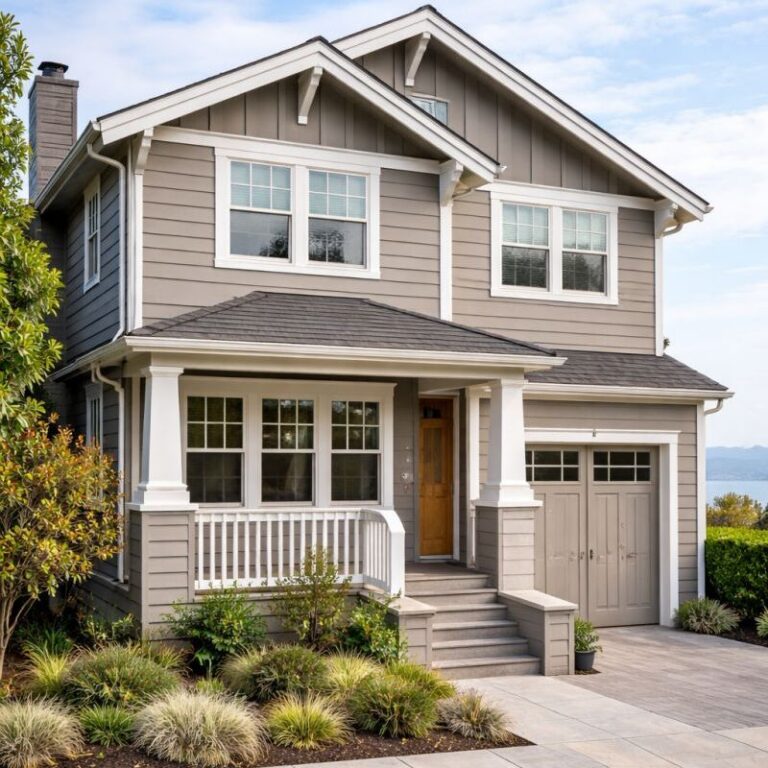
Why Vinyl Siding is Vanishing from San Francisco Streets
Vinyl siding had a strong run across many parts of the country. It promised easy upkeep and lower cost. San Francisco pushed back. The city’s fog cycle, salt-laden air, tight lot lines, and historic architecture changed the math. Now, most siding contractors San Francisco homeowners call recommend other systems for long-term performance. Walk the blocks of Pacific Heights, the Mission District, or the Sunset, and the pattern is clear. Fiber cement, cedar shingles, stucco, and modern engineered wood dominate. Vinyl shows up far less, and usually as a past install on a building that is now due for replacement.
The physics that phased vinyl out on the Northern California coast
San Francisco sits on a salty, windy edge. Fog rolls in and out fast. UV reflects off water and bright concrete. Buildings face daily wetting and drying cycles. Vinyl’s core behavior under heat and movement works fine in stable inland zones. Here, it runs into hard limits.
Vinyl planks expand and contract more than fiber cement or engineered wood. In Potrero Hill, a south-facing wall can swing from cool mornings to hot afternoons under direct sun. Gaps open at joints if the fastener spacing or slot engagement was shy of spec by even a few millimeters. In the Richmond District and the Outer Sunset, thermal swings combine with salt spray. The surface chalks and can fade, even on premium lines. Wind load near the Marina and along 19th Avenue can rattle panels. Once a panel edge lifts, water pushes behind the cladding. That is the start of moisture infiltration and, later, dry rot in sheathing or trim.
Insulated vinyl attempts to stiffen the profile. The foam backer can trap water if the crew misses a flashing detail, a head lap, or a vent path. In San Francisco’s microclimates, wet foam dries slowly. This leads to fungal growth in the rainscreen cavity and higher odds of termite damage along sill lines. The risk goes up in the Sunset and Outer Richmond, where morning fog lingers and the wind keeps surfaces cool all day.
Code, fire, and facade rules nudge the market away from vinyl
Local code and insurance pressures matter. Wildfire smoke events and embers are a Bay Area reality during the dry season. Fiber cement claddings like James Hardie HZ10 products offer noncombustible performance. Many insurers and HOA boards in San Francisco prefer fire-resistant exteriors, especially on urban infill lots with tight clearances. Vinyl can melt, warp, and fuel flame spread in structure-to-structure events. That risk profile makes it an outlier across dense neighborhoods.
Historic streets add another brake. The city values visual integrity. In Pacific Heights, Noe Valley, and Haight-Ashbury, the design review bar is high. Custom trim work, cedar shingles, proper shingle coursing, and facade restoration that “reads” as original help pass historic checks. Many vinyl profiles lack the crisp shadow lines, millwork detail, and paintable texture demanded by local commissions. Skilled crews can mimic some looks, but inspectors and neighbors notice. That scrutiny steers projects toward fiber cement with custom-milled trims or Grade-A cedar, which take paint and preserve detail.
Lifecycle cost beats low entry price
Upfront price once drove vinyl adoption. In San Francisco, lifecycle cost wins the argument. Homeowners in 94121 or 94122 who battle fog and wind learn the same lesson. Replace twice or repaint more often, and the budget catches up. A full re-skin with Fiber Cement Siding (James Hardie) or Engineered Wood (LP SmartSide) paired with quality exterior waterproofing and proper dry rot removal gives decades of service. Repainting fiber cement runs farther between coats than repainting vinyl in high UV spots. That lowers total cost over a 20 to 30 year window.
Energy rules matter too. California Title 24 keeps raising the bar. Wall assembly R-values must meet or beat modeled loads. Insulated vinyl tries to help, yet most assemblies in San Francisco benefit more from continuous exterior insulation or a vented rainscreen behind dense, stable cladding. That design improves dew point control, which fights peeling paint on interior plaster and reduces high energy bills due to thermal bridging. CertainTeed and Owens Corning insulation packages integrate cleanly with fiber cement or engineered wood over a quality WRB and flashing set.
Moisture, salt, and movement: a closer look at failure patterns
Contractors who work across the 7x7 see repeat patterns. In 94107 and 94124, the wind across Potrero Hill and Bayview puts stress on the interlocks and J-channels. Fasteners back out on older frames. Vinyl loosens first around window perimeters. Water intrudes at head flashings if the Z-flashing was thin-gauge aluminum that warped. Then the sheathing darkens, and dry rot enters the picture by year eight to twelve. On the west side, salt crystals collect in nooks, hastening oxidation on cheap fasteners. Painted metal trims rust and bleed onto light-colored vinyl skins.
Seismic movement adds another layer. San Francisco homes flex. Soft-story structures in the Mission District and the Marina District see racking during small quakes. Rigid claddings need proper joint layout and back-vented spacing. Vinyl handles little shear transfer and depends on the substrate for stability. When the wall shifts, panel edges unlock at corners. The problem does not always show in year one. It builds over cycles, then pops during a wind event.
What is replacing vinyl across San Francisco streets
Fiber cement leads by a wide margin. James Hardie HZ10 is tuned for coastal moisture and UV. It holds paint, shrugs off salt air, and stays dimensionally stable. In the Sunset and Richmond District, that stability cuts callbacks for caulk splits and joint telegraphing. In Sea Cliff and the Marina, the noncombustible rating keeps insurers happy. HardiePlank lap, HardiePanel with battens, and Artisan thick profiles fit modern and classic designs.
LP SmartSide gives a warm wood look without the rot risk of old pressboard products. It resists pests and holds fasteners cleanly. Crews can field-trim it to match period details. For Victorian and Edwardian restorations in Noe Valley and Haight-Ashbury, cedar shingles still set the tone. Clear, kiln-dried shingles take stain or paint and match original coursing. They need a proper vented rainscreen and stainless fasteners to live long near the coast. When crews integrate custom trim work around brackets, crowns, and sills, inspectors and neighbors respond well.
Many multifamily buildings in 94110 and 94112 still favor stucco with modern WRBs and drain mats. A well-detailed three-coat stucco over a ventilated assembly resists water intrusion and handles fire well. Where owners want a durable sheet profile, aluminum and steel siding can make sense, especially on accessory structures or modern infill. It needs proper isolation from dissimilar metals and disciplined flashing at penetrations.
Why the city’s permitting and inspections steer choices
San Francisco’s Department of Building Inspection keeps a close watch on exterior work. 2026 DBI permit compliance is part of planning today. Crews handle online portal submissions for in-kind replacements and scope changes. Inspectors want to see full flashing packages, correct WRB laps, and drainage planes that meet code. NARI member contractors and EPA Lead-Safe Certified crews follow lead rules on pre-1978 buildings. That matters in Haight-Ashbury and Pacific Heights, where paint layers run deep.
Historic Preservation Commission standards reward accurate profiles and joinery. Diamond Certified contractors who do facade restoration with careful dry rot removal get approvals faster. They can show product data for James Hardie and LP SmartSide that align with UV and salt tolerance. They submit trim mockups for corner boards, crown details, and sill nosings. Those details keep projects moving and avoid rework. That process edge nudges many owners away from vinyl and into long-service materials that meet review criteria the first time.
Energy, comfort, and noise on dense San Francisco blocks
Comfort counts as much as curb appeal in the city. Street noise in the Mission District and along Lombard calls for assemblies that damp sound. Heavier claddings like fiber cement and stucco absorb more sound energy than thin vinyl skins. Coupled with high-quality WRBs and dense-pack insulation, the result is a quieter interior. On foggy days, the house holds heat. On sunny afternoons, it avoids sudden thermal gain.
Window systems matter here too. When owners schedule siding work, they often add window replacement in the same project. That limits layers of intrusion and speeds the schedule. Milgard windows pair well with rainscreen assemblies. Their frames accept proper exterior waterproofing and integrate with James Hardie or LP SmartSide trim kits. The air sealing boost cuts drafts in older homes near the coast. It also reduces high energy bills that flare during cold snaps.
Execution details that separate a lasting install from a redo
The right product fails when the assembly is wrong. San Francisco rewards disciplined sequencing. Crews start with a full envelope inspection. They open suspect areas and check sills and rim joists for dry rot or termite damage. They correct framing deflection that could telegraph through rigid cladding. They choose a drainable WRB and flash all penetrations with compatible tapes and metals. Stainless fasteners stand up to salt air in the Sunset and the Marina. Kickout flashings at roof-to-wall junctures protect stucco or lap edges from runoff. Sill pans under new windows stop hidden leaks.
On fiber cement, they hold field cuts tight and prime ends. They float joints over studs or z-flash with back caulk where the spec calls for it. Clearances off decks and sidewalks matter, especially in 94123 near bay-level fog. For cedar shingles, they vent, they space, and they use ring-shank stainless. For LP SmartSide, they respect edge clearances and maintain the paint film. On stucco, they use a two-layer WRB and a drain mat in fog zones. They weep at terminations and protect control joints.
Homeowner signals that it is time to move on from vinyl
Owners across 94102, 94114, and 94117 report similar early warnings. Chalky streaks under window heads. Wavy panel runs on south walls. Musty odors near baseboards. Paint that keeps peeling inside a room with an exterior wall that faces the ocean. Spikes in heating bills as wind finds cracks through aging wall planes. A careful site walk with a qualified inspector can confirm. Thermal cameras help pick up cold spots behind cladding. Moisture meters find saturated sheathing before mold blooms.
Quick field check homeowners can do
- Press gently on panels near corners and hose bibs to feel for looseness.
- Look for lifting edges at J-channels around windows.
- Scan for rippling in long sunlit runs by late afternoon.
- Check for soft trim at kickout flashing locations.
- Note any interior paint peeling on exterior walls.
These are clues. A licensed exterior contractor should confirm with probes and meters before a scope is set.
Why vinyl underperforms here, in brief
- High thermal expansion fights clean joints on south and west exposures.
- Salt air accelerates fastener corrosion and panel chalking.
- Wind load along corridors lifts edges and drives water behind cladding.
- Historic review favors paintable, authentic textures and trims.
- Fire-resistance pushes choices toward fiber cement and stucco.
Neighborhood stories from the field
In the Outer Richmond, a two-story on 12th Avenue had insulated vinyl from the late 2000s. The owners saw wavy lines on the west wall and a faint odor near the dining room baseboard. Probing found saturated OSB behind two windows and rot at a rim joist. The team removed the vinyl, stripped the WRB, and replaced sections of sheathing. They installed James Hardie HZ10 lap over a ventilated rainscreen with stainless nails. Head flashings moved to heavier gauge. The crew reset the Milgard windows with new sill pans and integrated tapes. The home dried out and held a new paint film through three fog cycles and a windy winter.
In Noe Valley, a shingled Victorian had decades of paint build. The owner wanted to keep the look and pass a historic review. Crews found dry rot at sill details and old termite trails. They performed dry rot removal, treated affected areas, and installed cedar shingles with proper coursing. Custom trim work restored crown elements and panel moldings. Inspectors praised the profile match. The house now blends with its block and resists fog because of a back-vented assembly under the cedar.
In Potrero Hill, a mid-century duplex had vinyl on the windward wall. Panels rattled every winter. The owner replaced with LP SmartSide panel and batten over continuous exterior insulation. Noise dropped. Energy use fell by roughly 10 to 15 percent during the heating months, based on PG&E bills the owner shared. The new assembly met Title 24 targets without fuss.
The role of reputable brands, standards, and crews
Materials and crews both matter. James Hardie Elite Preferred installers follow strict details that tie to warranty terms. CertainTeed and Owens Corning systems integrate well with cladding and window packages. Milgard supports proper flange integration. LP SmartSide publishes clear edge treatments that crews follow to avoid swelling. Homeowners who choose Diamond Certified, BBB A+ rated, EPA Lead-Safe Certified, and GuildQuality rated contractors get better odds of durable outcomes. Those badges signal clean job sites, clear communication, and work that stands up to fog and wind.
Reputable siding contractors San Francisco teams provide free estimates, explain financing available, and back the job with warranty-backed craftsmanship. They handle permit navigation with DBI, including in-kind siding replacement via the online portal. They document assemblies with photos so the record travels with the house. That habit helps during resale in tight markets.
Technical stack that wins in 94102, 94107, 94110, 94112, 94114, 94117, 94121, 94122, 94123, and 94124
Across San Francisco zip codes, certain stacks keep recurring because they work. For coastal and wind-exposed faces in the Sunset and Richmond, Hardie HZ10 lap over a drainable WRB, with a ventilated furring system and stainless ring-shank fasteners, is common. Joints are flashed or gapped per spec, then sealed with high-grade sealant at key transitions. At window perimeters, crews use pan flashings and step flashings at heads, not just surface trims. Kickouts at roof-to-wall lines are mandatory. Sill clearances meet code to avoid splash-back.
For historic zones in Pacific Heights and Noe Valley, Grade-A cedar shingles over rainscreen battens keep the look while allowing the wall to breathe. Stainless staples or ring-shank nails prevent streaking. Trim profiles are milled to match existing. Paint systems use breathable primers that manage vapor. For modern infill in 94107 and 94110, LP SmartSide panel and batten or lap profiles over continuous insulation hit energy marks and deliver clean lines. Aluminum and steel siding show up on ADUs and accessory structures, with care taken to isolate from copper and ensure proper drainage at seams.
What owners gain by moving away from vinyl here
Owners who switch to fiber cement, engineered wood, cedar, or stucco see clear gains. Their exteriors stop moving so much with daily heat. Paint schedules stretch. Wind noise drops. Fire ratings improve. Historic reviews go smoother with authentic trims. Maintenance becomes predictable. Bills settle down as the wall dries and seals. Resale listings read stronger with brand names and verifiable specs.
Those upgrades read well in listings across the San Francisco Bay Area. A buyer sees James Hardie or LP SmartSide, a Milgard window package, and Owens Corning insulation, and trusts the shell. They read “rainscreen” and “stainless fasteners” and know someone thought about the coast. The house shows clean lines in the Marina District sun and still looks fresh after a wet Haight-Ashbury winter.
Choosing the right partner to do the work
Material choice is half the story. Execution is the other half. Look for siding contractors who serve all 7x7 miles and know the microclimates. They should show projects in the Mission District, the Sunset, the Richmond, Noe Valley, the Marina, Potrero Hill, and Haight-Ashbury. Ask to see before and after photos of dry rot removal, exterior waterproofing, and window integration. Verify Diamond Certified, BBB A+ Rating, EPA Lead-Safe Certified, and NARI membership. Confirm they manage DBI permits and can comply with 2026 DBI permit rules. Check if they carry James Hardie Elite Preferred or partner with CertainTeed, LP SmartSide, and Milgard.
Expect a line-item estimate that breaks out materials, labor, and permit fees. Crews should explain the WRB, flashing, fasteners, and trims they will use. They should walk the house and probe suspect zones. They should flag any structural work before they start. They should plan access on tight San Francisco lot lines and keep a clean site that calms neighbors.
Practical timeline and what to expect on site
Most re-skins on a single-family home run two to six weeks, weather and scope dependent. Add time for facade restoration or heavy trim rebuilds in Pacific Heights or Noe Valley. Window replacements with Milgard units integrate within that window. Crews stage wisely on narrow streets and protect sidewalks. They set dust control, especially in older painted homes under EPA Lead-Safe rules. Daily cleanup matters in dense areas like the Mission District.
Inspections occur at WRB and flashing stages, then at completion. Good crews document hidden layers with photos. That file supports future maintenance and resale. Warranties include lifetime material on fiber cement and multi-year workmanship. Ask about performance guaranteed language and what storm events the warranty covers. Many teams offer financing available with clear terms. That helps spread the investment while the house starts saving on energy.
The bottom line for San Francisco homeowners
Vinyl siding did not fail everywhere. It did fail the test of this city’s climate, codes, and character. The market reacted. Homeowners now choose assemblies that fight fog, salt, wind, and fire. They pick materials that please historic boards and last long enough to be worth the hassle of DBI permits and scaffolding in a busy city. They get quieter rooms, steadier bills, and stronger listings.
For anyone in 94102, 94107, 94110, 94112, 94114, 94117, 94121, 94122, 94123, or 94124 who sees ripples in vinyl or smells musty baseboards, the path is clear. Invite a pro to open a few edges, meter the walls, and set a scope that ends leaks for good. Fiber cement, engineered wood, cedar, stucco, or metal can all work here when detailed right. The city rewards integrity in both the look and the build.
Request a local evaluation from San Francisco’s exterior specialists
Best Exteriors serves all neighborhoods citywide, from Pacific Heights and Noe Valley to the Sunset, the Richmond District, Potrero Hill, the Marina District, and the Mission District. The team focuses on siding installation, siding repair, exterior waterproofing, dry rot removal, facade restoration, and custom trim work. Materials include Fiber Cement Siding (James Hardie), Cedar Shingles, Stucco, Vinyl Siding (Insulated) where appropriate, Engineered Wood (LP SmartSide), and Aluminum & Steel Siding. Window replacement with Milgard integrates cleanly into rainscreen assemblies.
Diamond Certified
BBB A+ RatingEPA Lead-Safe Certified
GuildQuality RatedNARI Member
Free Estimates. Performance Guaranteed. Financing Available. Warranty-Backed Craftsmanship. 2026 DBI Permit Compliance. Transparent, digital, line-item quotes and a clean worksite promise that keeps neighbors calm and schedules tight.
Request your free siding estimate or schedule a window and siding consultation today. A project manager will map moisture paths, check for dry rot, and recommend a code-compliant assembly that fits your block and budget.
Pacific Heights
Mission DistrictThe Sunset
Richmond DistrictNoe Valley
Marina DistrictPotrero Hill
Haight-Ashbury94102
9410794110
9411294114
9411794121
9412294123
94124